
Upright reach-in refrigerators and freezers for commercial kitchens
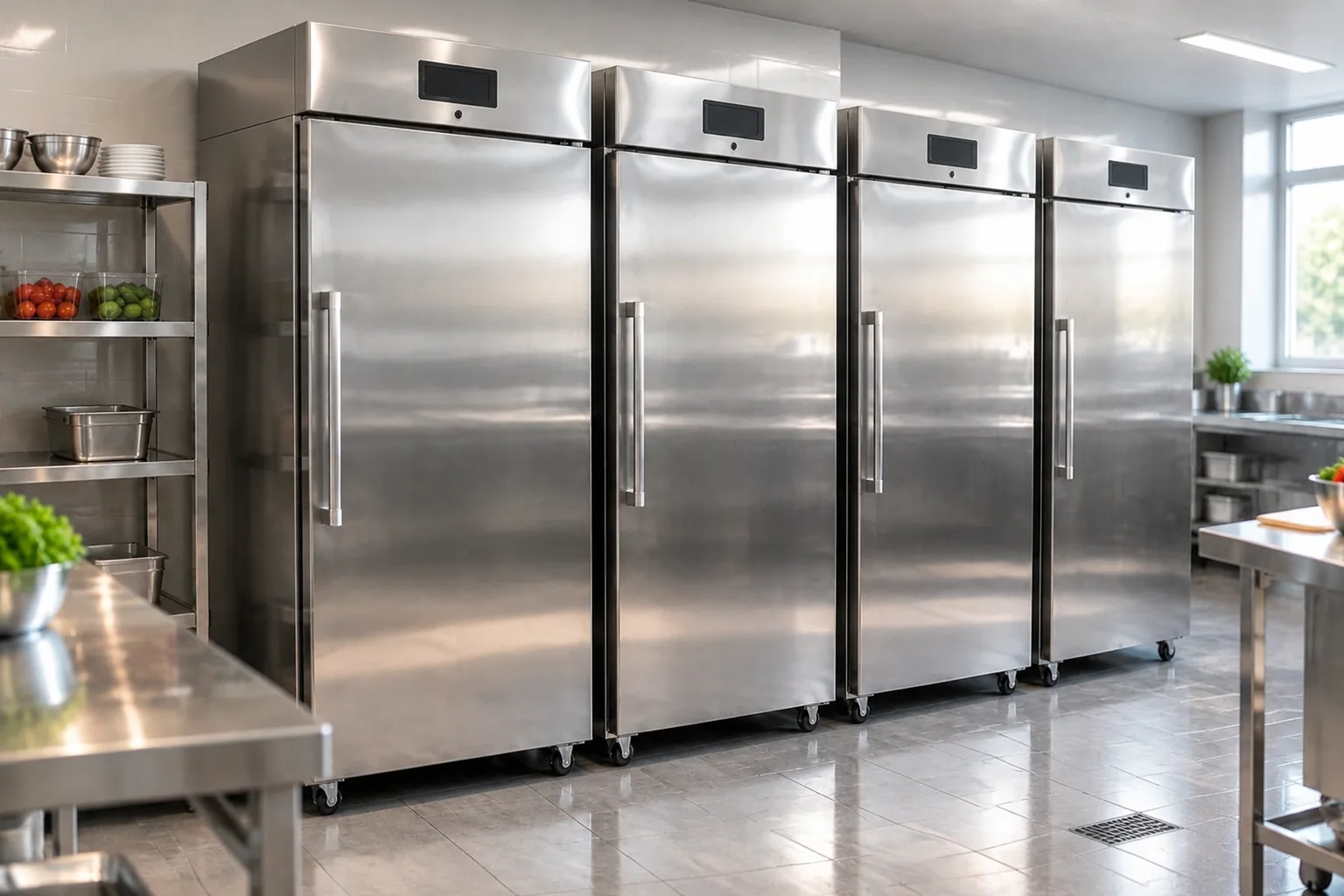
Upright reach-in cabinets put bulk chilled or frozen storage at standing height, with doors that open onto a kitchen aisle instead of into a walk-in room. This family covers single, double, triple and four-door reach-ins, tray cabinets used in bakery production, and dual-temperature cabinets that divide refrigeration and freezing inside one shell. Door count, temperature duty and the tray or shelf format are the three decisions that shape the model.
Typical use
- Line-side bulk storage of prepped ingredients in restaurant and hotel kitchens.
- Bakery and pastry production, where dough, laminated pastry and finished trays are held on tray slides.
- Banquet and central-kitchen operations that need cold holding close to the plating area.
- Kitchens with limited floor area, where a dual-temperature cabinet replaces two separate units.
- Overflow or seasonal storage when a cold room is full and stock must stay inside the production area.
- Back-up frozen storage for ice cream, seafood and portioned proteins held before service.
Confirm before ordering
- Duty and number of temperature zones
- Door count, door type and hinge side
- Usable volume and bay layout
- Shelf, tray or pan format and load rating
- Cooling format and defrost method
- Voltage, frequency and plug configuration
- Refrigerant and market compliance documents
- Ambient class, heat rejection and installation clearance
Configurations we build in this family
Drawn from our own product catalogue. Final specification is confirmed per model and destination market.
| Door / drawer formats | four door, double door, drawers, single door |
|---|---|
| Temperature classes referenced | -10 °C, -12 °C, -15 °C, -20 °C, -6 °C |
| Catalogue items in this family | 38 (configuration confirmed per project) |
Model range at a glance
Every model in this family, sorted by size. Prices are FOB reference prices from our current listings.
| Model | Temperature range | Doors | Voltage | Reference price |
|---|---|---|---|---|
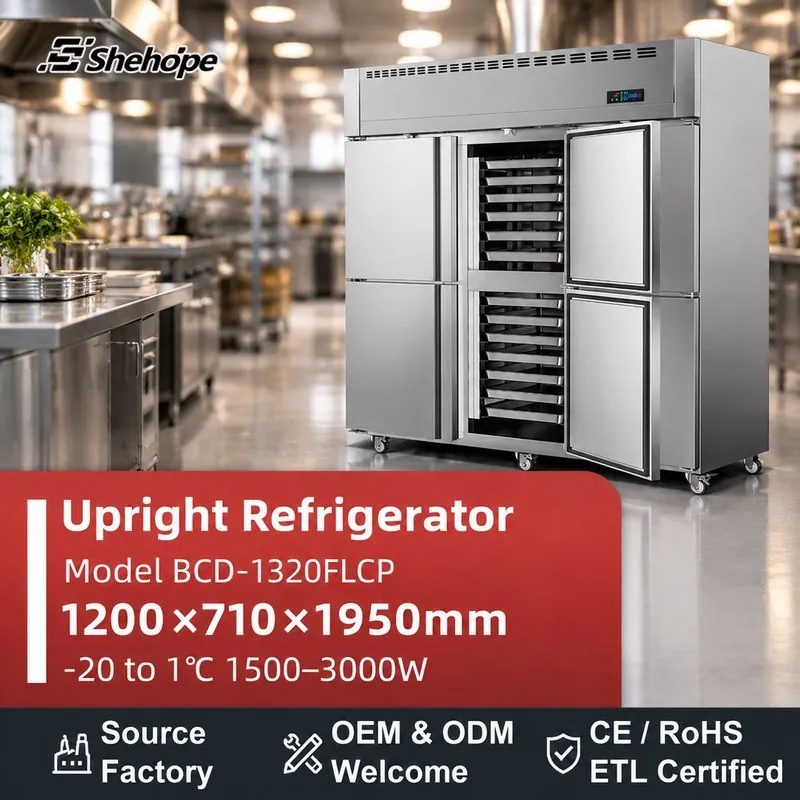
| BCD-1020FLCP | 1°C To 10°C,-15°C To -24°C, | Four Doors | 220-240V (Single-Phase) | from US$907.50 |
| BC-1020FLCP | 10°C To 1°C | Four Doors | 220-240V (Single-Phase) | from US$916.50 |
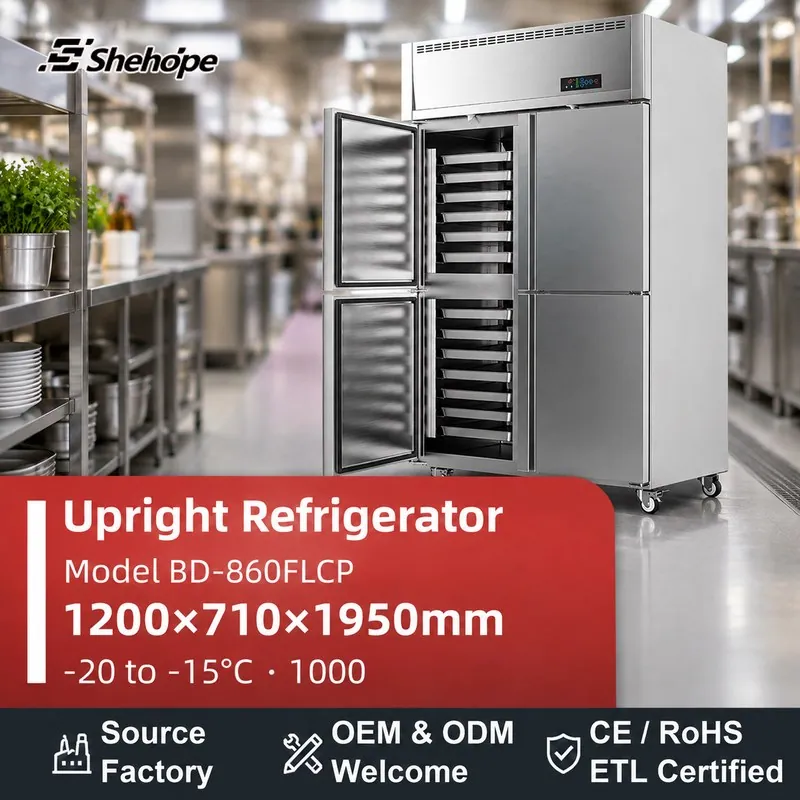
| BD-860FLCP | -15°C To-20°C | Four Doors | 220-240V (Single-Phase) | from US$858 |
| BCD-1560FLCP | 1°C To 10°C,-15°C To -24°C, | Four Doors | 220-240V (Single-Phase) | from US$1,482 |
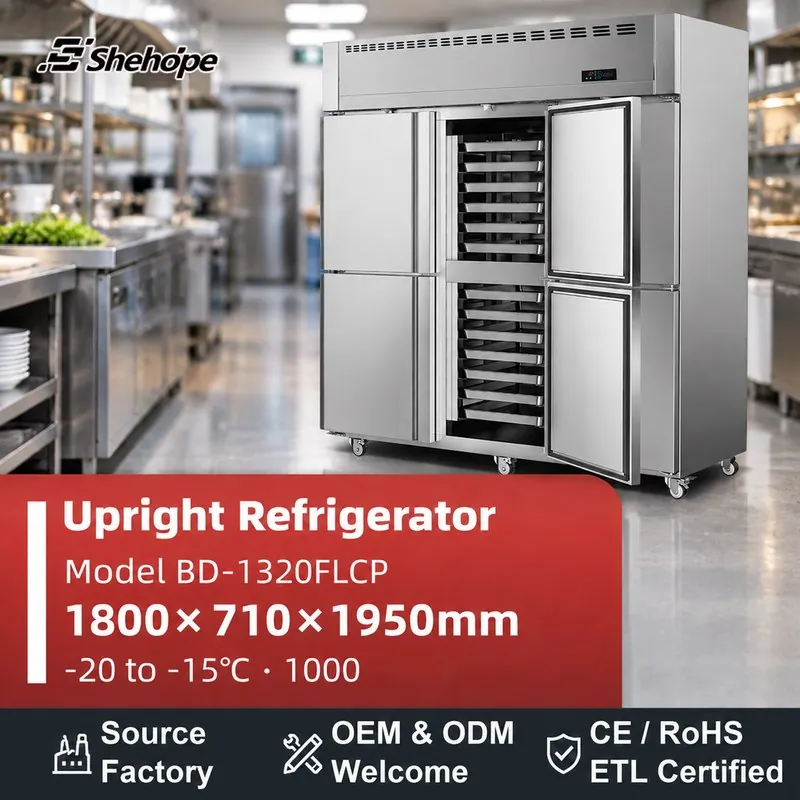
| BD-1320FLCP | -15°C To-20°C | Triple Doors | 220-240V (Single-Phase) | from US$1,056 |
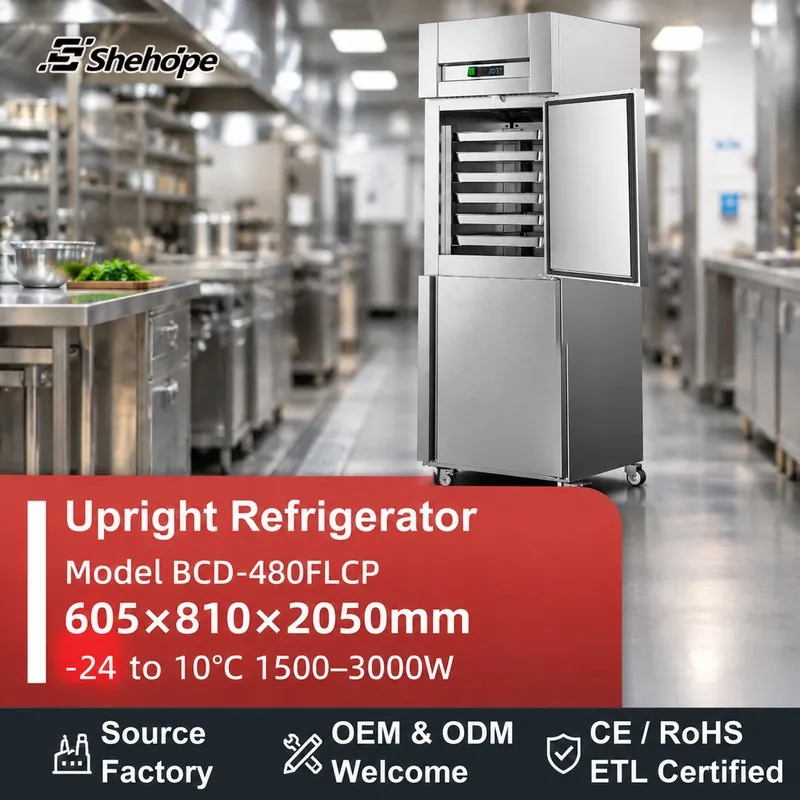
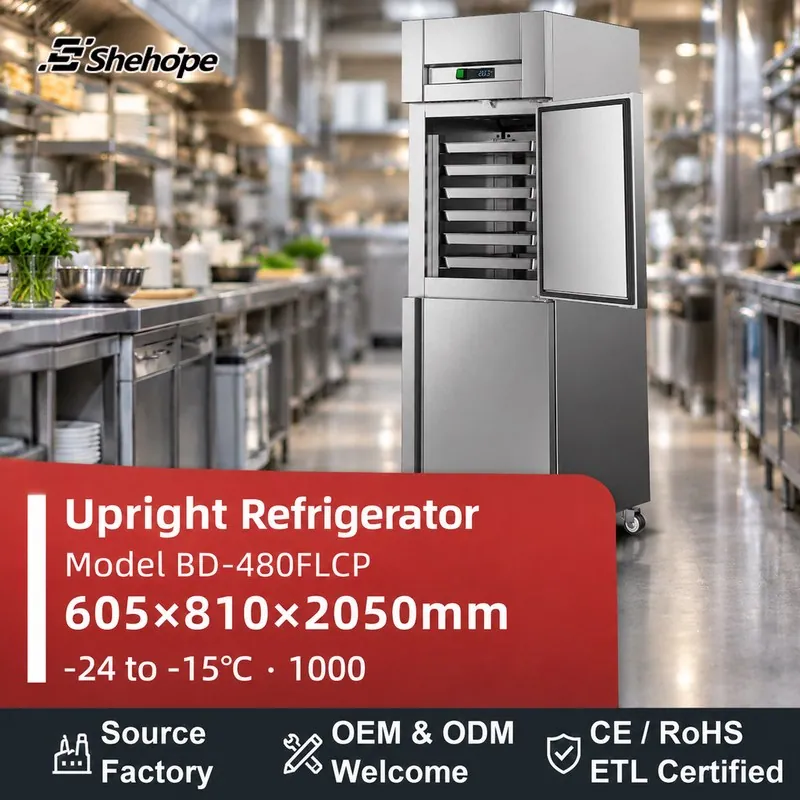
| BD-480FLCP | -15°C To -24°C | Double Doors | 220-240V (Single-Phase) | from US$462 |
| 1020FLCP | -15°C To -24°C, | Four Doors | 220-240V (Single-Phase) | from US$907.50 |
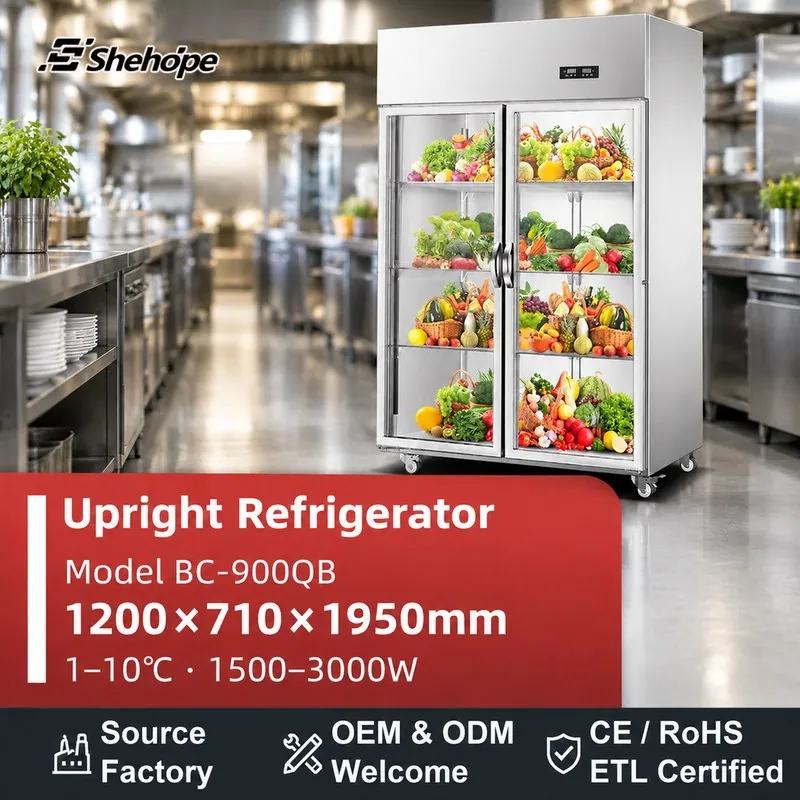
| BC-900QB | 1°C To 10°C | Double Doors | 220-240V (Single-Phase) | from US$305.25 |
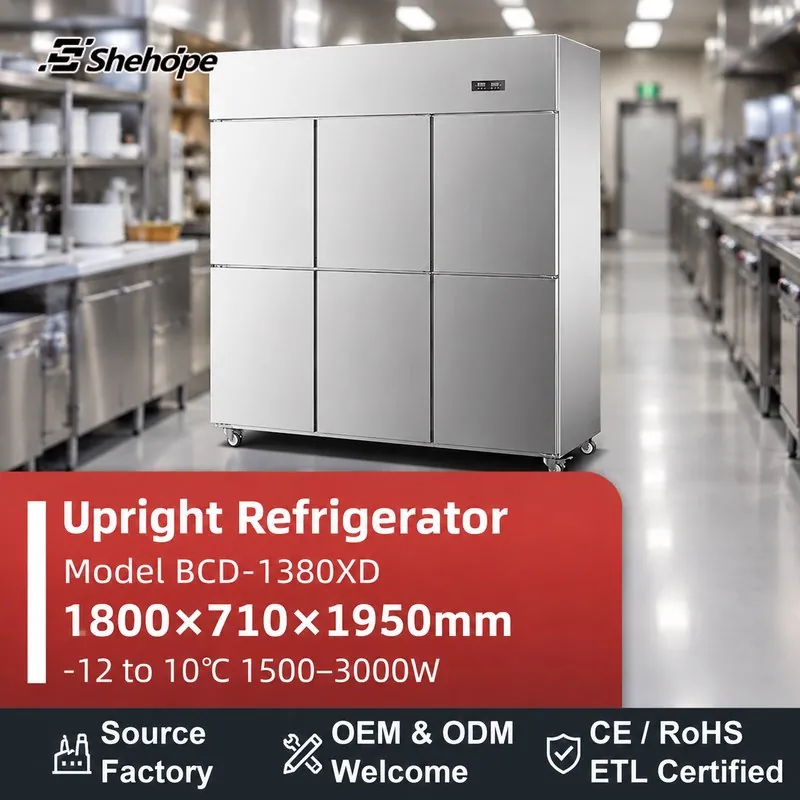
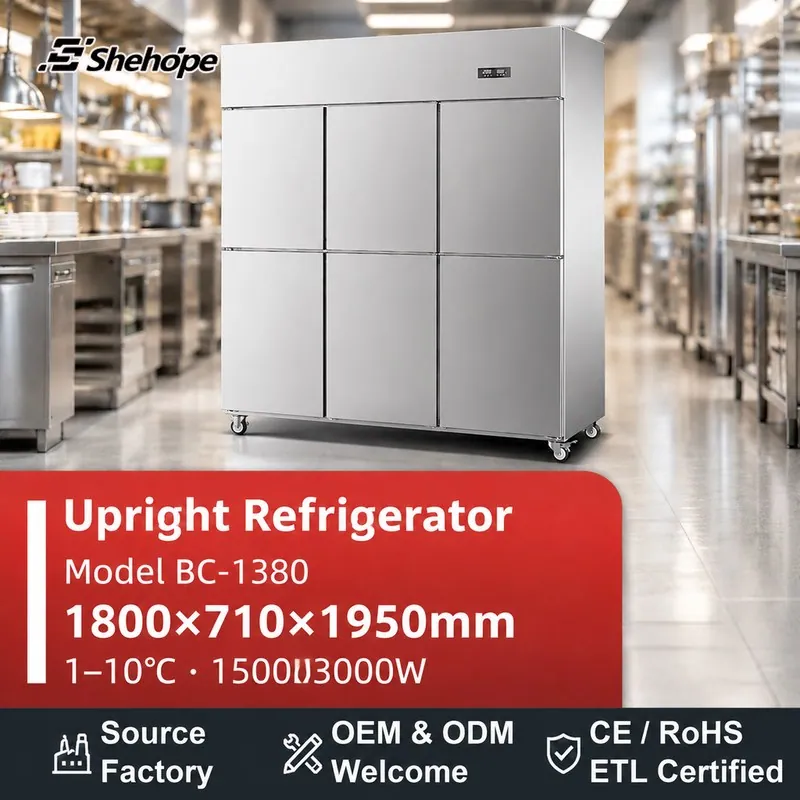
| BC-1380 | 1°C To 10°C | Four Doors | 220-240V (Single-Phase) | from US$526.50 |
| BD-1560FLCP | -10°C To -24°C | Four Doors | 220-240V (Single-Phase) | from US$1,423.50 |
| BC-1560FLCP | 10°C To 1°C | Four Doors | 220-240V (Single-Phase) | from US$1,072.50 |
| UR-54F-2 | -18°C To -22°C | Double Doors | 110-120V (Single-Phase) | from US$1,170 |
Plus 26 more models in this family — ask us for the full list.
The highlighted row is this page. Confirm the configuration, voltage and documents for your market in the quotation.
Catalogue items in this family
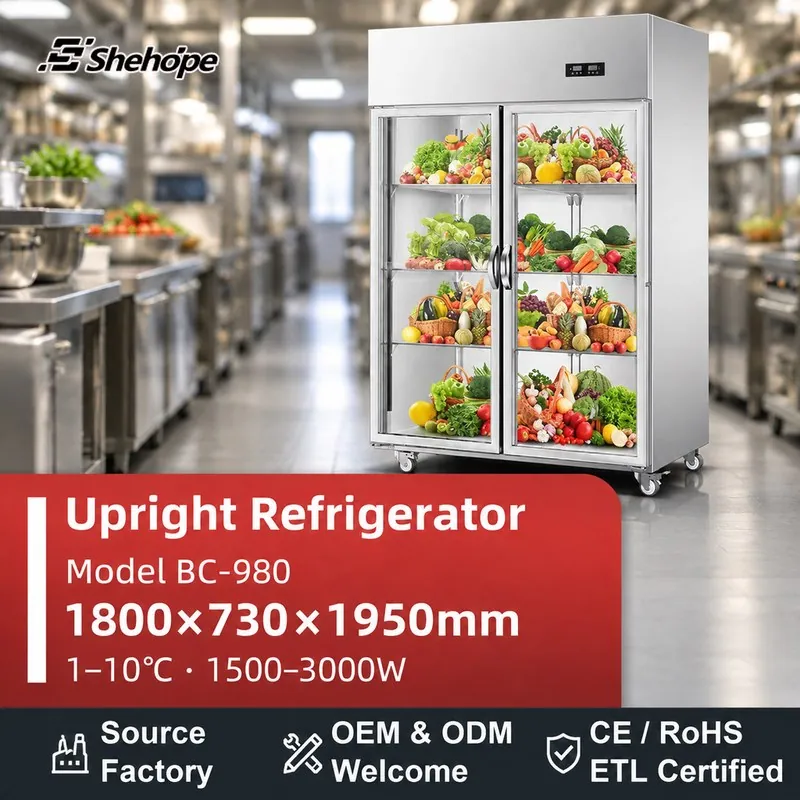
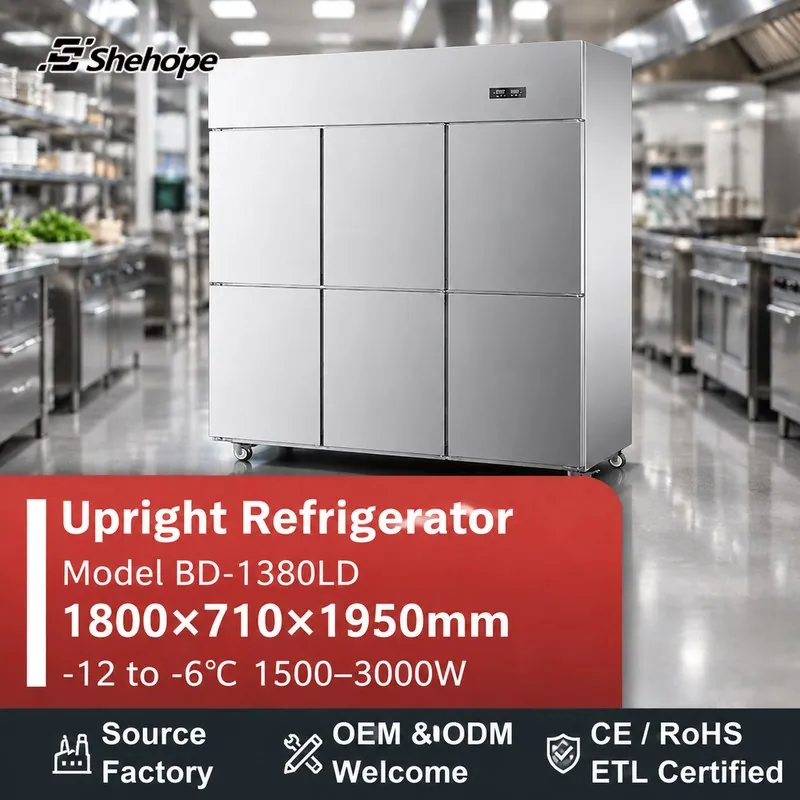
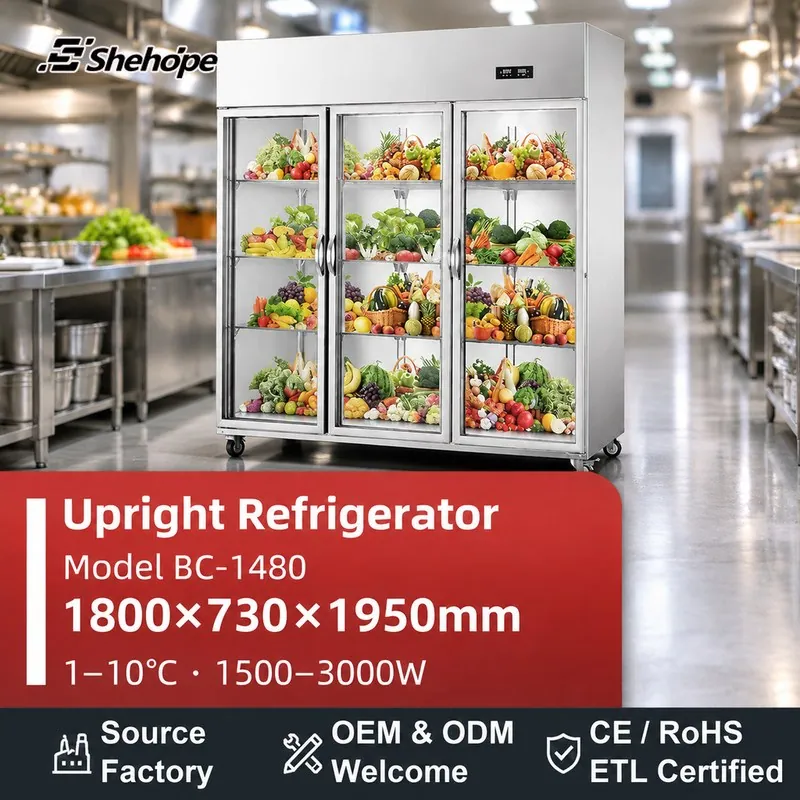
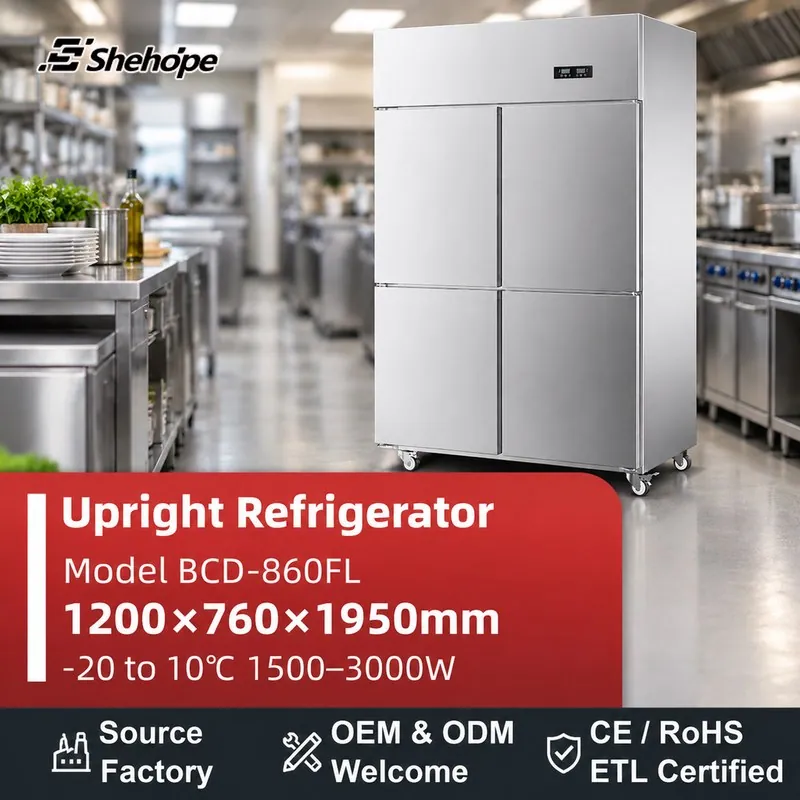
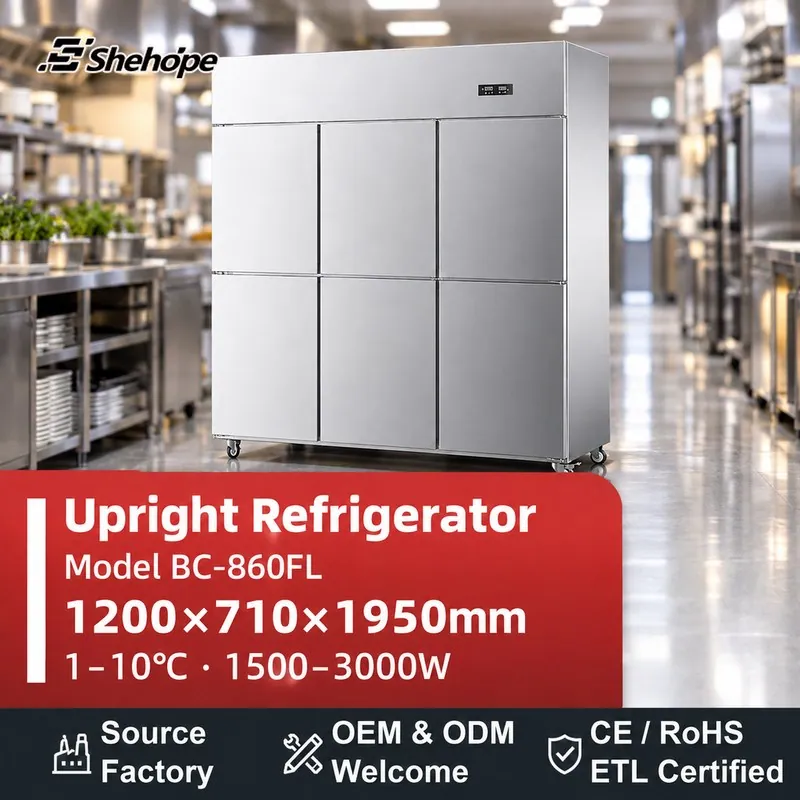
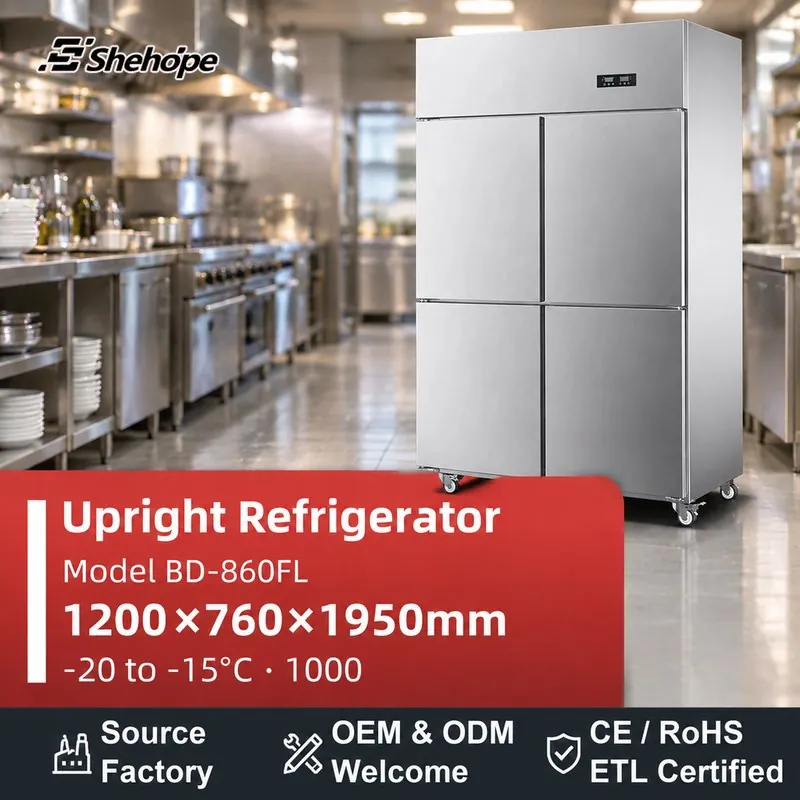
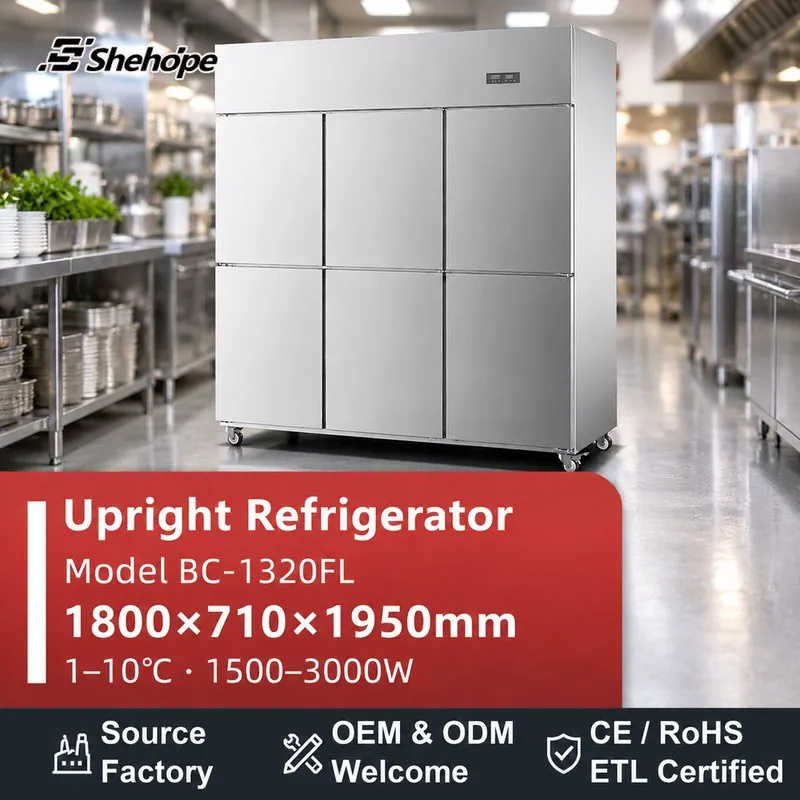
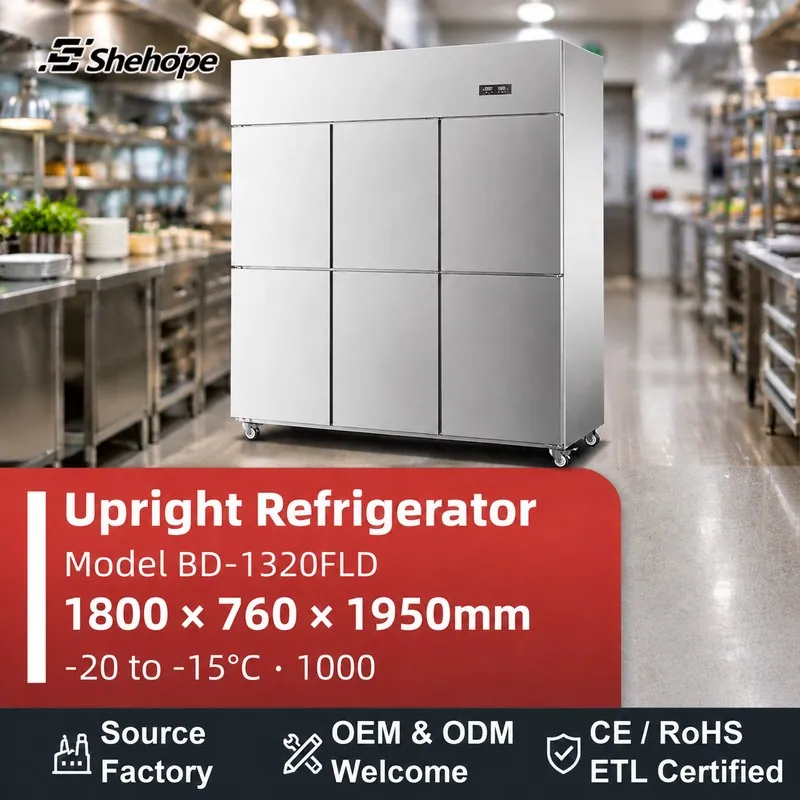
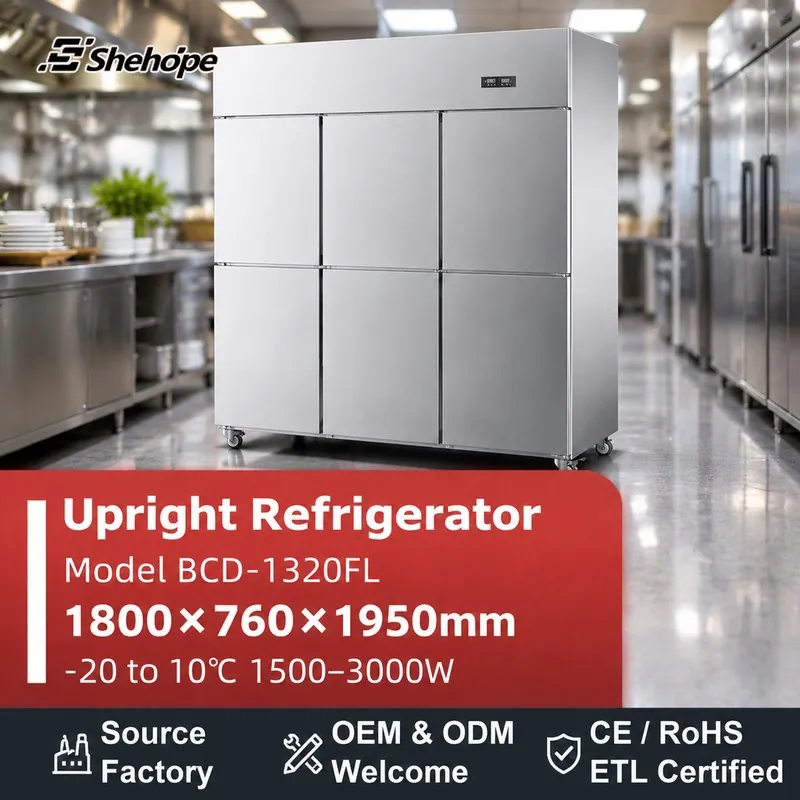
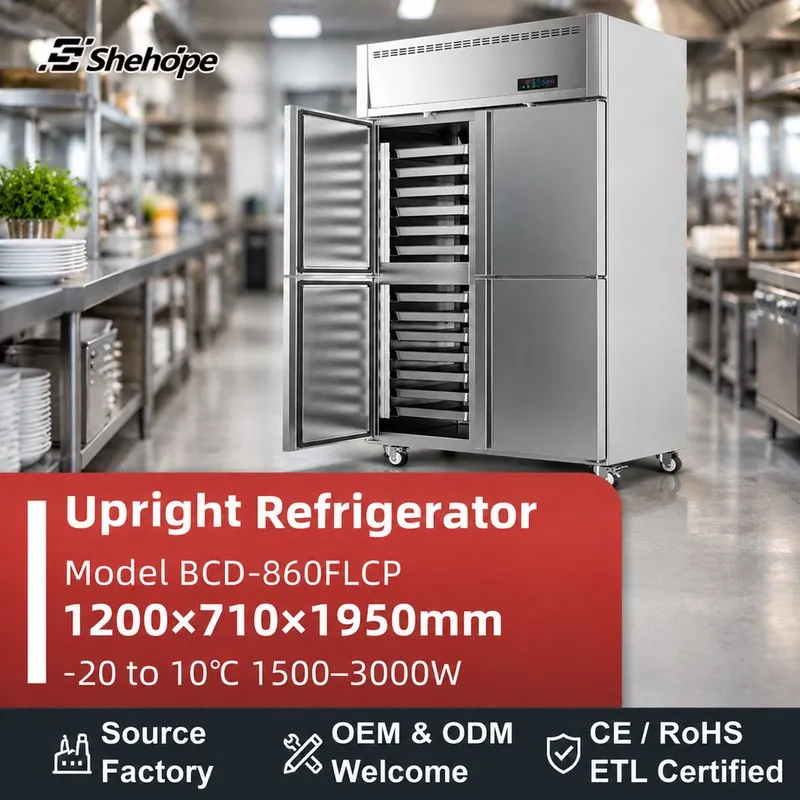
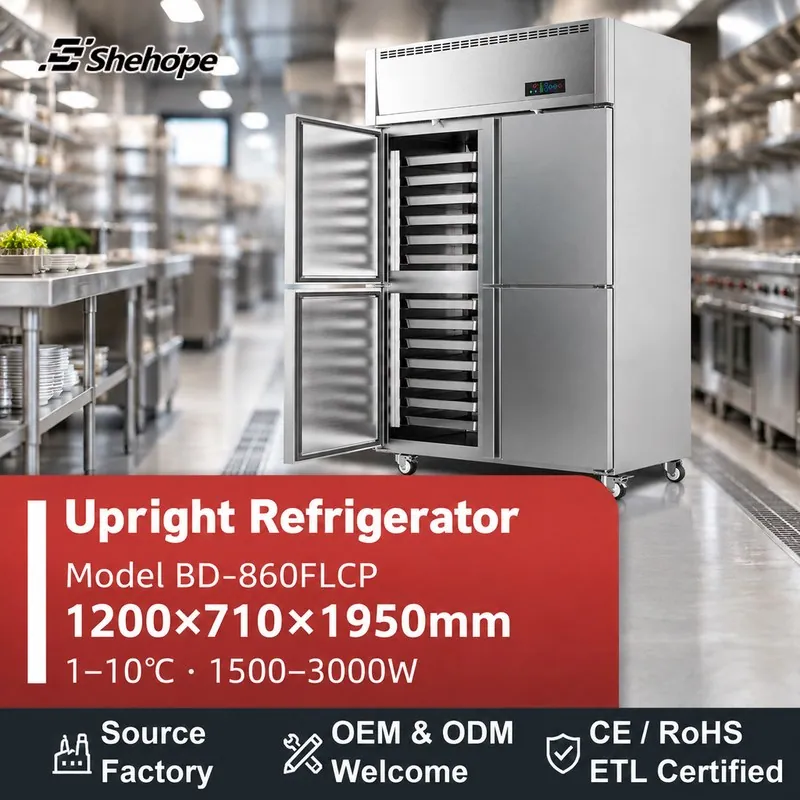
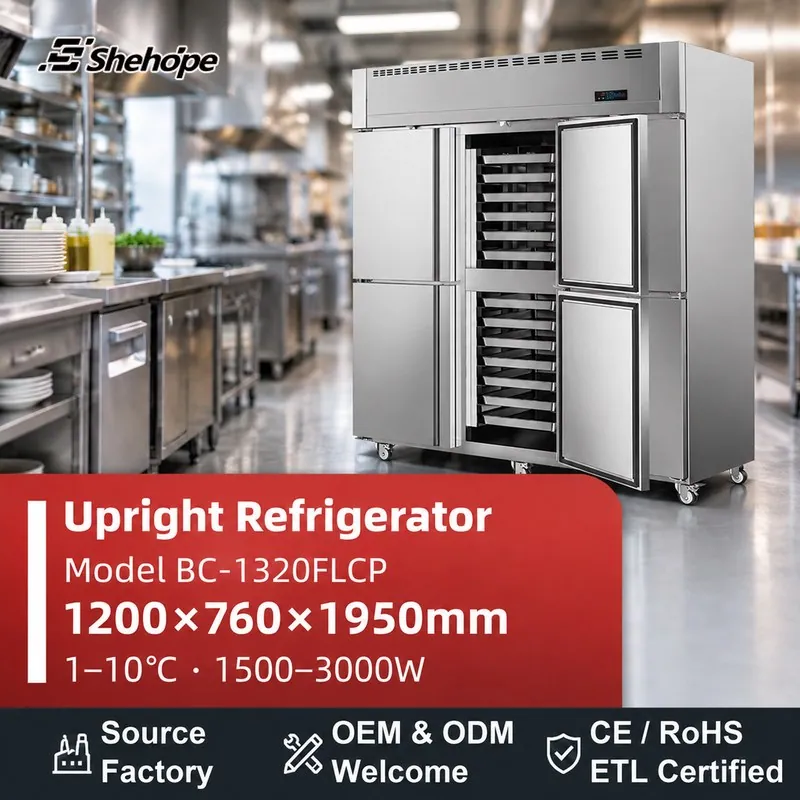
38 catalogue items photographed for this family.
How this family is configured
Door count, aisle layout and access
Door count is an aisle decision as much as a storage decision. Measure the aisle the doors open into, then check whether a swing door can stand open while a trolley passes, or whether a sliding door suits the space better. More doors mean narrower bays and shorter door-open time, which helps temperature recovery; fewer, wider doors give more usable width inside but expose more of the cabinet each time staff reach in. Confirm the hinge side and whether doors are field-reversible, because a left-hinged cabinet may not work against a wall. Solid doors hold temperature with less heat gain, while glass doors let staff see stock without opening the cabinet, which is useful in a bakery where trays look alike. Check whether the doors have a stay-open position for loading, and whether gaskets are replaceable without special tools. If the cabinet sits in a hot line, keep the condensing unit clear of the door swing.
Single temperature, dual temperature or tray cabinet
Decide first whether the cabinet stores one product group or two. A single-temperature unit is simpler to run and easier to load consistently. A dual-temperature cabinet divides the interior into zones, typically refrigeration above and freezing below, each with its own control; that saves floor space but means each zone is smaller than a dedicated cabinet of the same external size. For bakery production, a tray cabinet is a different structure: tray slides replace shelves, pitch is set by the tray type, and loading usually happens from a rack or trolley. Confirm how many trays the cabinet must take, whether they load on slides or on a roll-in rack, and whether the cabinet also has to hold dough at a controlled stage. Ask how the zones are separated, whether the divider can be adjusted, and whether one zone can be switched off when the menu changes. Zone layout, set points and usable volume are confirmed per model.
Shelf, tray and pan format
Interior fittings decide how much of the quoted volume you can actually use. Shelves with adjustable pitch suit mixed stock such as boxes, containers and loosely stacked items; fixed pitch is quicker to load but locks the layout. Pan slides take GN pans or bakery trays and keep loads flat, which matters for dough and for anything that must not be stacked. Confirm the number of shelf positions, the load each shelf is designed to carry, and whether shelves lift out for cleaning without tools. Drawers at the bottom or in a side section give a different access pattern and are useful for small, frequently used items. State the heaviest single load you expect, because shelving, slides and the cabinet floor are specified against it. If the cabinet holds trays, send the tray footprint and rim height so the slides match. Interior layout, shelf count and load ratings are confirmed per model and per project.
Airflow, ambient conditions and service access
Reach-in cabinets sit in the hottest room in the building, so ambient conditions belong in the specification. State the kitchen temperature at peak service and whether the cabinet stands near an oven, fryer or dishwasher. Confirm where the condensing unit is mounted, which way it breathes, and the clearance required around it; a cabinet pushed tight to a wall has to reject heat into an already warm room. Check the defrost method and where melt water goes, because a blocked drain shows up first as ice on the cabinet floor. Ask how the cabinet is leveled and whether castors are needed for cleaning underneath. Service access should be possible without emptying the cabinet or moving it: confirm which panels open, where the controller and electrical box are, and which spare parts you would keep on site. Wide-climate or tropical configurations are available where the model and the market review confirm them.
Questions we ask before quoting
- How much product must be stored, in what container, and for how long?
- Is the cabinet holding one product group or two, and are the zones separate?
- How many doors, and which way do they need to open in the aisle?
- Do you load from shelves, GN pans, bakery trays or a roll-in rack?
- What do the trays or pans weigh when full, and what is the heaviest single load?
- What ambient temperature does the kitchen reach at peak service?
- Which voltage, frequency and plug type does the destination market use?
- Which compliance documents and spare parts do you need at handover?
Frequently asked questions
Should I choose two single-temperature cabinets or one dual-temperature cabinet?
A dual-temperature cabinet saves floor space but gives each zone less usable volume than a dedicated unit of the same external size. If frozen and chilled stock both turn over quickly and volumes are predictable, a dual-zone cabinet works well. If one side grows, separate cabinets are easier to expand and to service.
What temperature range do the cabinets reach?
The achievable range depends on model, zone layout, ambient conditions, loading and door use, so it is confirmed against the selected model datasheet. Tell us the product, the holding time and the kitchen temperature, and the required set points are confirmed in the quotation instead of being published as one family number.
Can a reach-in be used as a blast freezer?
No. A reach-in holds product at temperature; a blast freezer is built to pull product down within a defined cycle and is specified from batch size, product thickness and core temperature targets. Production freezing and holding storage are usually two separate machines.
Do you offer bakery tray configurations and custom branding?
Tray cabinets are part of this family, and interior shelving or tray layout can be customized. Logo marking can use silk screen or laser engraving, and OEM projects can cover market-specific voltage and plug configurations. Each request is reviewed against the model platform before it is confirmed.
What information do you need for a quotation?
Product and container type, required zone layout, door count and aisle constraints, ambient temperature, loading routine, voltage and plug type, quantity, and the destination market. Warranty terms and packing details are confirmed per project.
Send the application and we confirm the model
Share the food or product being stored, target temperature, ambient conditions, available space, voltage, quantity and destination market.