
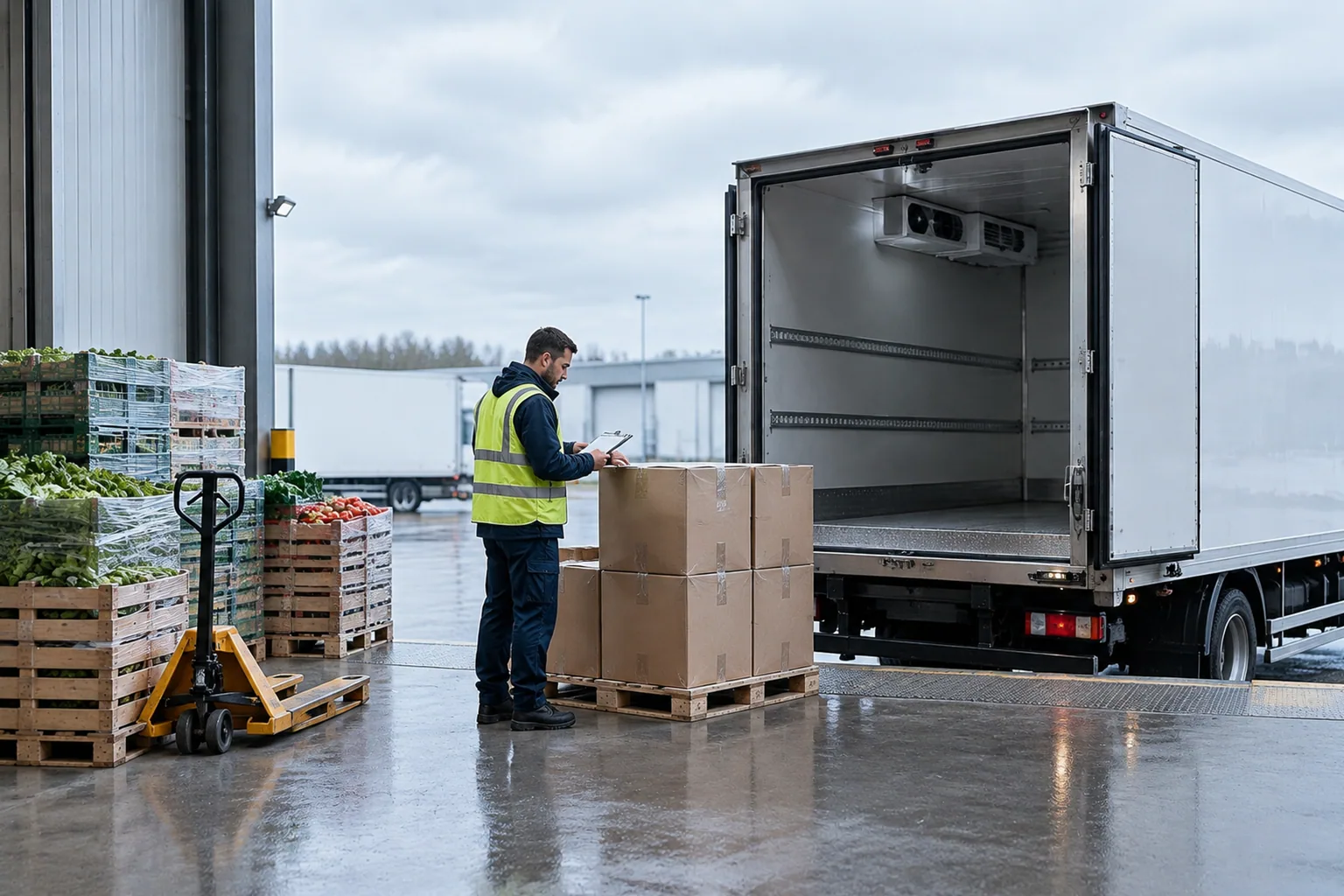
Food safety failures rarely start inside a freezer. They start at the handover between one temperature zone and the next: the receiving dock, the trolley left in a warm prep area, the display case loaded with product that was already too warm. Equipment selection is easier once you stop buying cabinets and start specifying zones. This guide maps the zones a commercial kitchen, bakery or retail operation usually runs, shows where breaks happen in practice, and lists what to confirm with a supplier for each zone.
A zone is a band plus a handling rule
A temperature band alone does not define a zone. The rule around it does.
In practice, a zone is defined by four things: the temperature band, how long product may be held there, how it is handled on the way in and out, and what evidence you keep. The refrigerator or freezer only holds the band. The handling rule is what makes it meaningful, and it is usually where operations lose control.
Reference bands are widely used for planning. Frozen storage is commonly planned around -18 °C or colder. Chilled storage is commonly planned in a band near 0 to 5 °C. Some products, such as certain chilled prepared foods or specialty items, need a narrower band, and some laboratory or specialty applications need temperatures well below the frozen range. These figures are planning references, not a legal standard. The binding requirement is set by the regulation of the destination market and by the product's own specification, so confirm both before you fix a band in a tender document.
Humidity and airflow belong in the same conversation, because a correct band paired with dry airflow still damages uncovered product.
The zones a commercial operation usually runs
Map your own flow against this list. Most sites run five or six zones and treat them as three.
| Receiving | The dock or goods-in area where product changes hands. Needs a fast check, a place to put product immediately, and a route that does not cross warm areas. |
|---|---|
| Chilled prep | Prep tables, worktops and reach-in cabinets at the point of use. The zone is defined by how long ingredients sit out during preparation. |
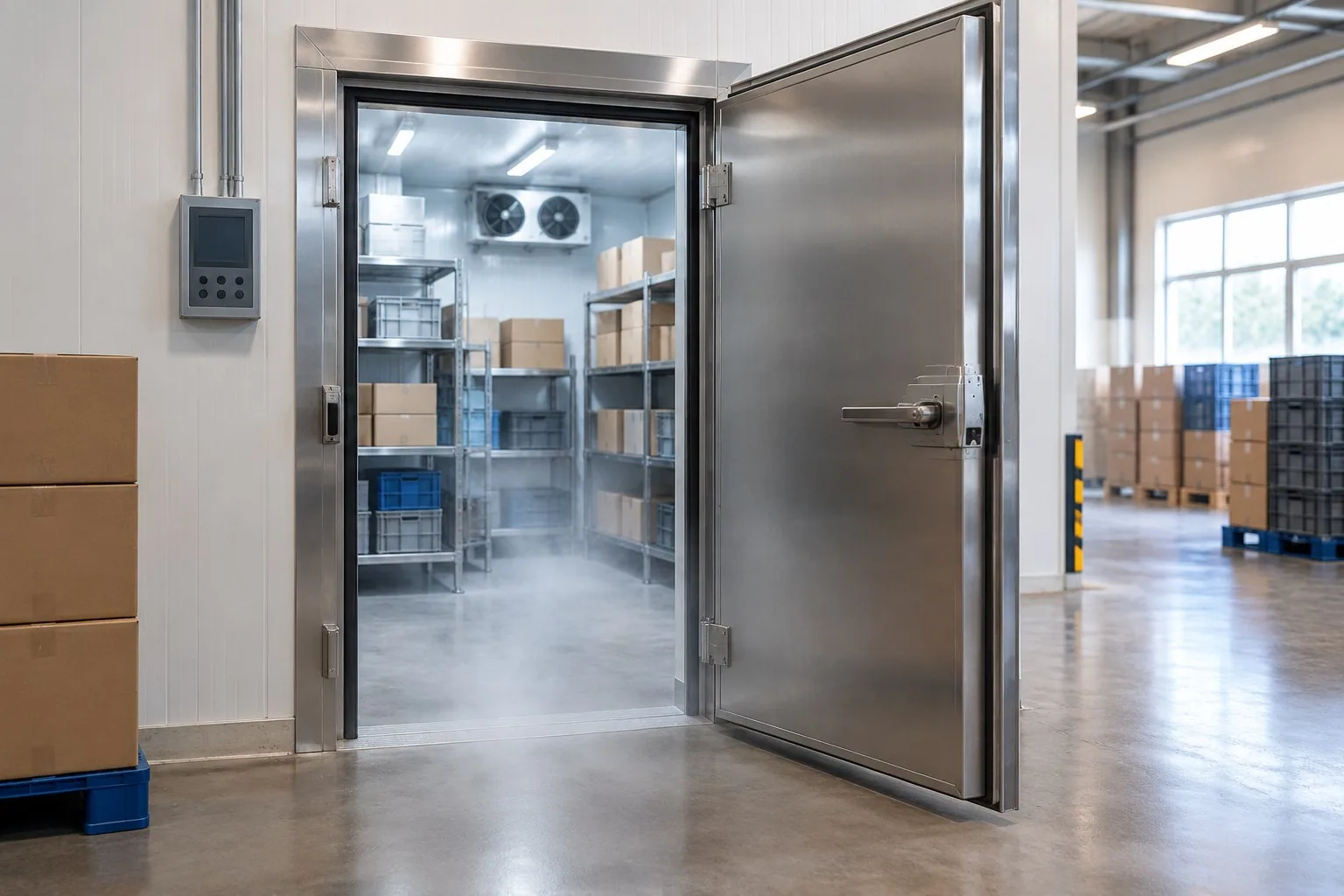
| Frozen store | Storage freezers, upright cabinets or a walk-in freezer holding product at the frozen range until it is needed. |
| Transition | Blast chilling and blast freezing. This is a process zone, not a holding zone, and it is the step most often left out of a layout drawing. |
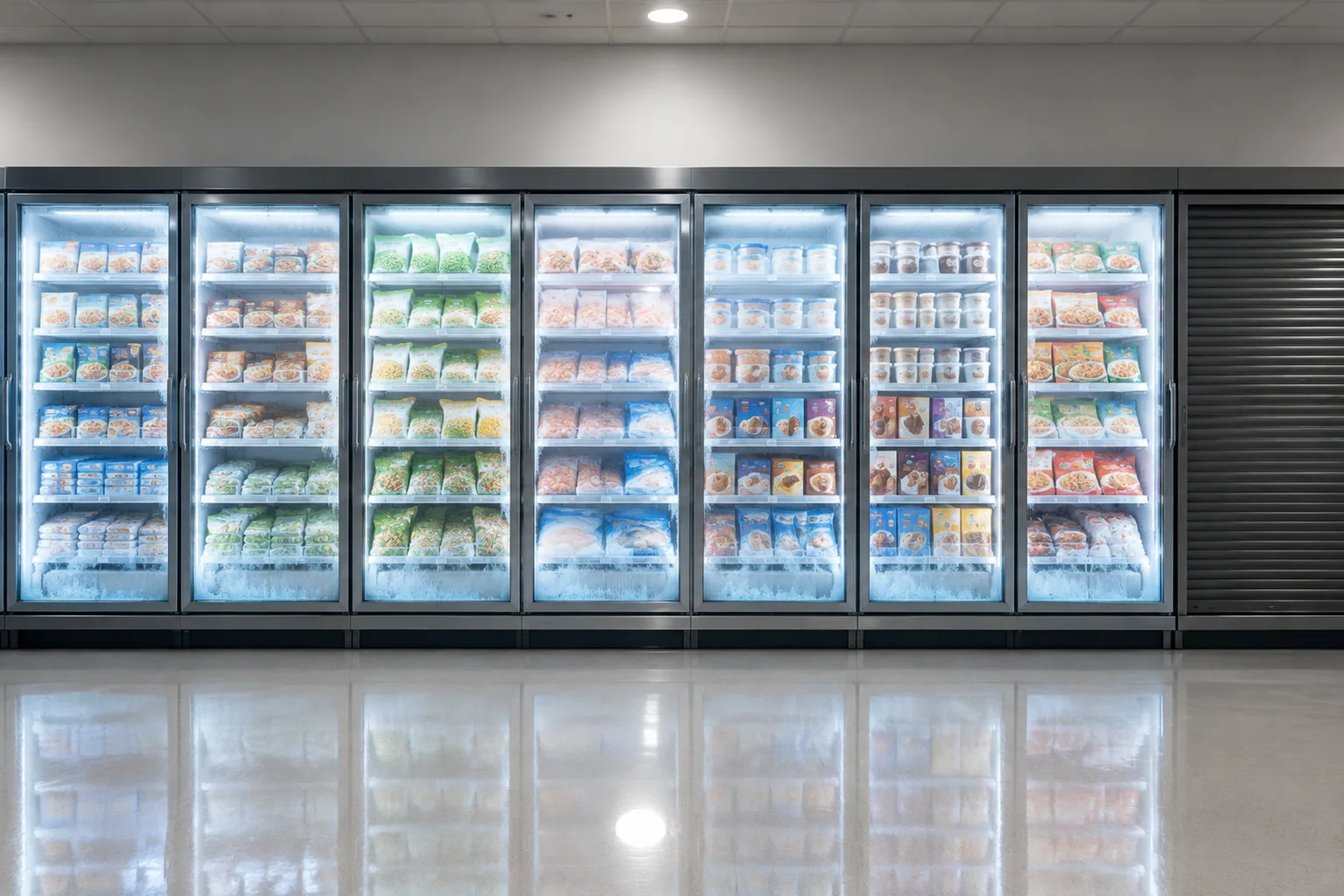
| Display | Retail cases, multidecks, glass-door display freezers and beverage coolers. Defined by open-door traffic and by the ambient temperature of the sales floor. |
| Transport and handover | Loading, transfers between sites, and customer collection. Usually the weakest link because nobody owns it. |
Write down the product mix against each zone: which items live there, in what volume, and for how long. Two sites with identical equipment lists can still need different capacities.
Where temperature breaks actually happen
Breaks cluster in a few predictable places, and most of them are layout or procedure problems rather than equipment faults.
The first is receiving: product arrives faster than it can be checked and moved, so it stands on a warm dock. The second is transfer, such as a trolley left in a prep area. The third is preparation at room temperature, where ingredients are portioned in batches too large to process quickly.
The fourth is display loading: cases stocked from a warm back room, filled above the load line, or packed so densely that the return air path is blocked. The fifth is routine defrost, which interrupts the band unless it is scheduled around production. The sixth is door discipline, where a walk-in door is open more often than anyone estimates.
The countermeasure is the same in every case: shorten the dwell time outside the zone, and put equipment close enough to the work that short dwells are possible. A correctly rated cabinet cannot compensate for a layout that forces product to wait.
Matching equipment families to zones
Start from what the zone has to do, then pick the family that does it.
Chilled prep
Prep tables and worktops put the cold surface under the work, which shortens the distance between the ingredient and the zone. Pizza and salad configurations differ in the raised rail, pan layout and top surface.
Back-of-house storage
Upright kitchen refrigeration in single or double door reach-in form, or drawer units for organized storage close to the line. Dual temperature cabinets can hold two bands in one footprint.
Frozen and bulk storage
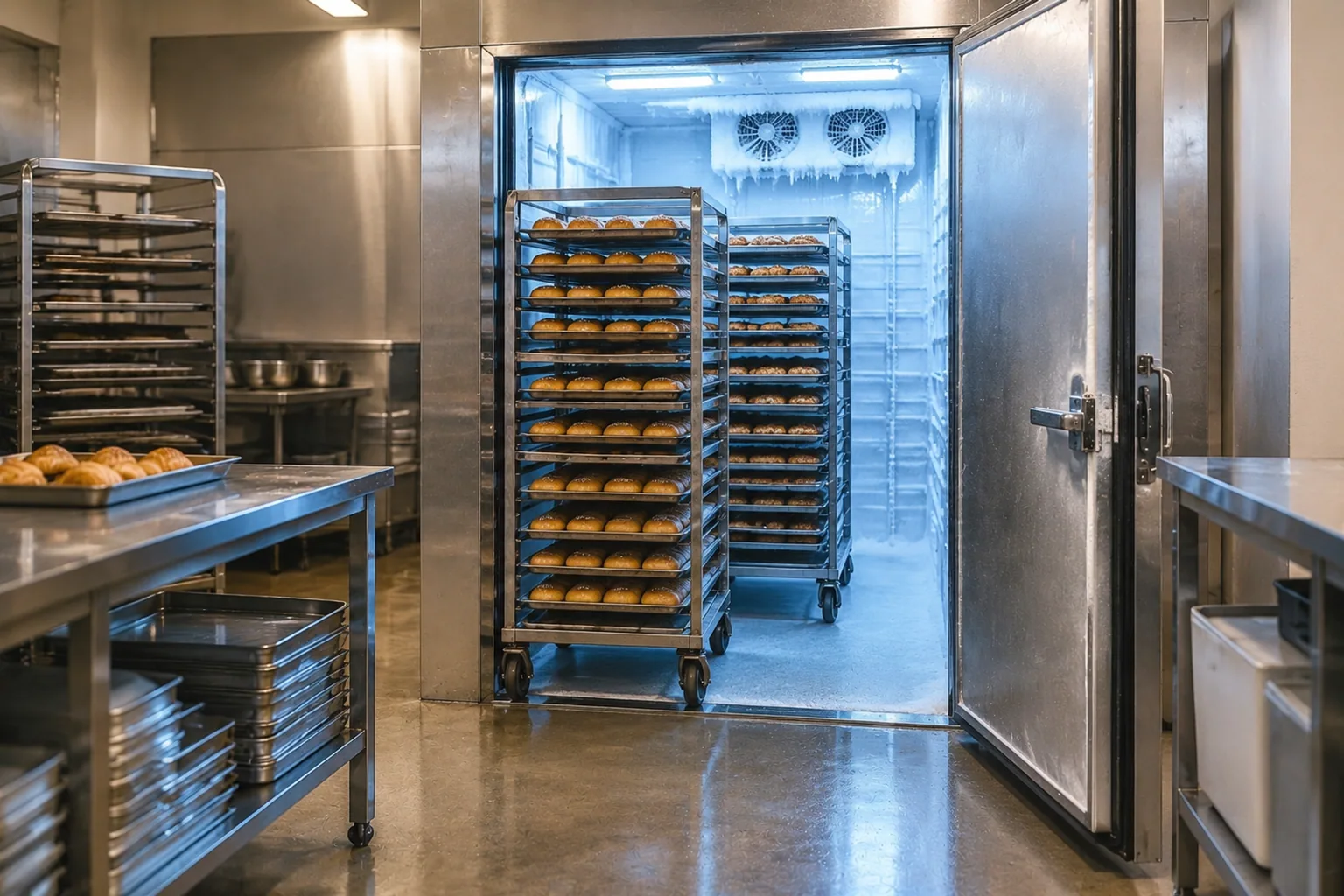
Cold rooms and walk-ins for volume, upright storage freezers for smaller sites. Panel layout, door position and shelving decide whether the room works at speed.
Transition
Blast freezers for production sites that freeze their own product. Sized from batch geometry and cycle time, not from cabinet volume.
Retail display
Glass-door display freezers, open multidecks, cake display cases and beverage coolers. Performance depends heavily on the ambient temperature of the sales floor and on door traffic.
Specialty
Ultra-low temperature freezers for applications that need a band far below the frozen range, where configuration, placement and heat rejection matter most.
Monitoring, records and verification
You cannot show compliance with a zone you do not measure.
Decide early whether you will monitor air temperature, product temperature, or both. Air temperature responds quickly and shows door traffic and defrost events. A probe in a representative product or a simulated load shows what the product experiences, which is what a food safety auditor usually asks about. Many operations run both and treat the difference between them as a diagnostic.
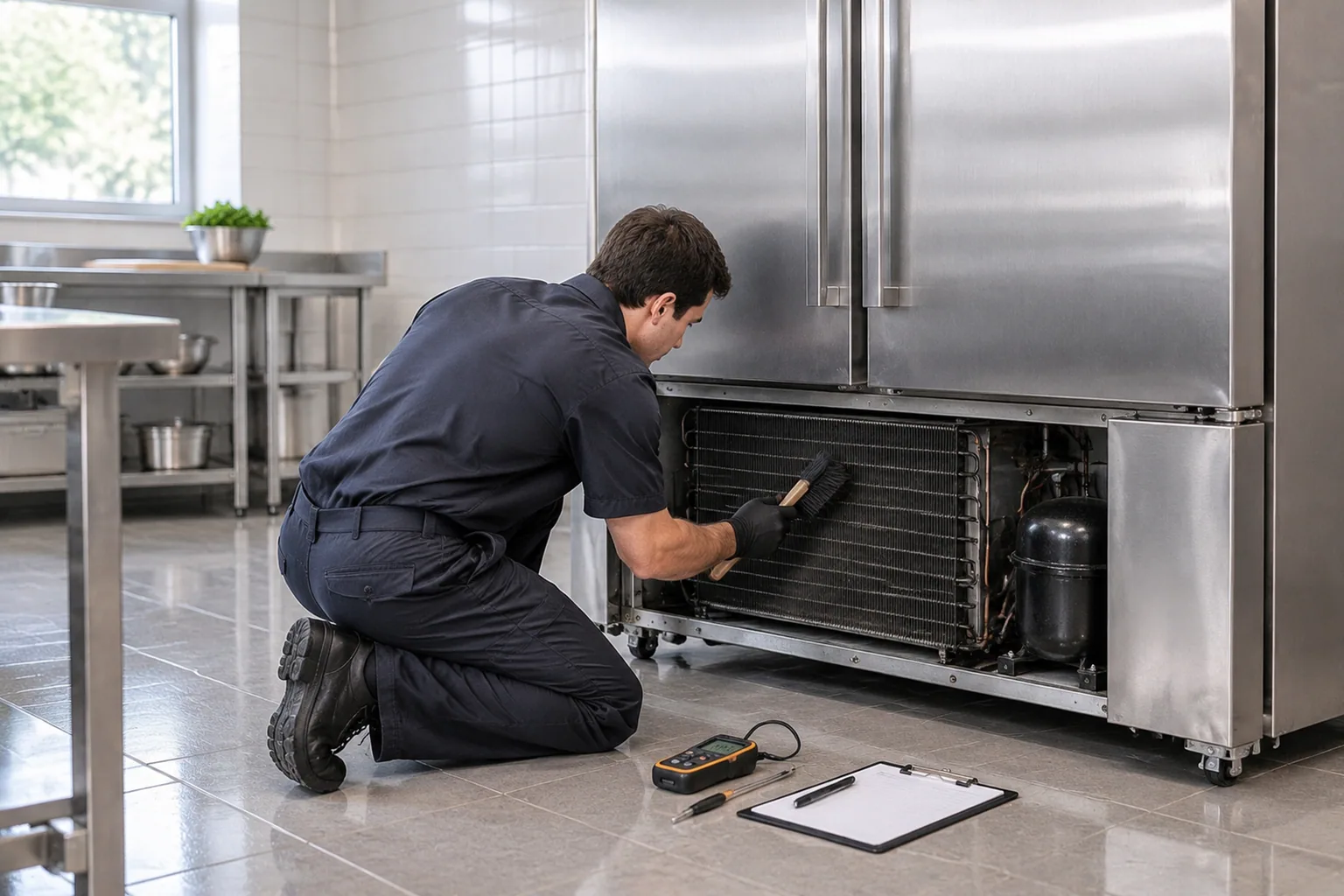
Record keeping should match how the zone is used. Manual checks at fixed intervals suit small sites, while data loggers and alarm outputs suit busy sites and multiple zones because they capture the door openings and defrost cycles a manual round misses. Either way, agree how often instruments are verified against a reference and what happens when a reading falls outside the band.
Ask for the model specification sheet and manual, and confirm which monitoring or alarm features a specific model offers. These vary by model and configuration, so confirm them rather than assume them.
What to confirm before you buy
Bring these answers to a supplier and the model conversation becomes short.
| Band and tolerance | The temperature band for each zone, the tolerance you will accept, and the market regulation that sets it. Confirm the set point the model is configured to. |
|---|---|
| Product and duty | What is stored, in what packaging, how it enters the zone (ambient or pre-chilled), and how many times a day the door is opened. |
| Ambient conditions | The ambient temperature of the room or sales floor. This is the single biggest driver of real performance and is frequently omitted from inquiries. |
| Capacity planning | State capacity in units you can plan with: shelf count, pan or tray count, or the volume the site holds. Confirm usable capacity from the internal layout, not the external footprint. |
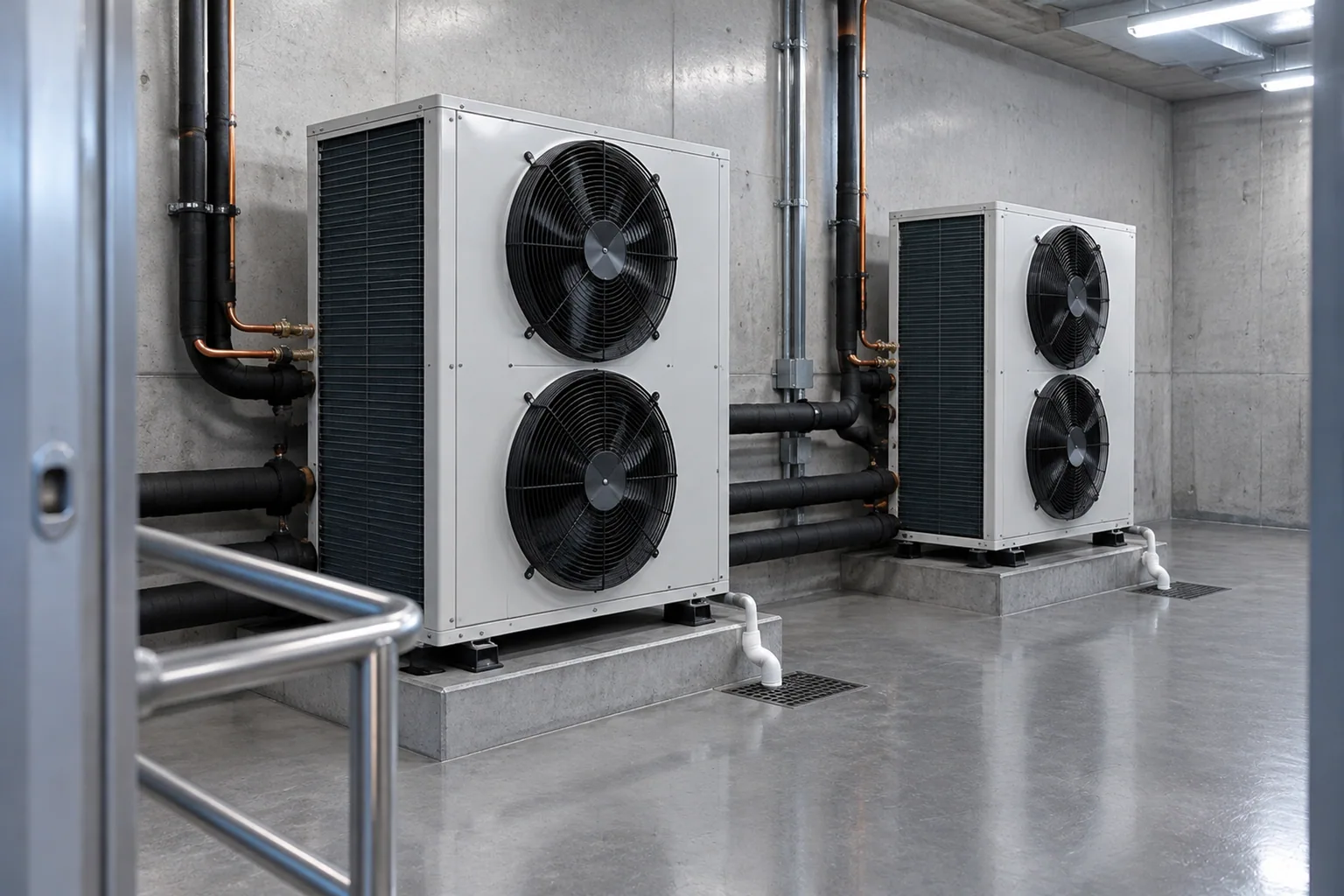
| Layout | Footprint, door swing, service access to the condensing unit, and clearance for airflow around the cabinet. |
| Electrical and refrigerant | Voltage, phase and frequency for the destination market, and which refrigerant the model uses. Both are confirmed per model and per project. |
| Documentation | CE, CB or RoHS records apply per model and target market. Name the models and the destination country and ask for the matching file set. Ask about the specification sheet, manual and any monitoring features. |
| Commercial terms | Typical production lead time is 20 to 30 days and is confirmed by model, quantity, season and customization scope. Warranty terms are confirmed per project. Packing for export can be agreed according to family, quantity and route. |
SHEHOPE supplies commercial refrigeration across the zone map above, from prep tables and reach-ins to blast freezers, cold rooms, display cases and ultra-low temperature freezers. Production runs inside a shared manufacturing system with more than 20 years of refrigeration manufacturing experience, a 20,000 m² facility, more than ten production lines and an ISO 9001 quality system. OEM and ODM projects can cover 3D CAD design and development, custom logo marking, interior shelving and layout changes, and market-specific voltage and plug configurations.